









The Honest Guide to iGaming: Slots, Poker, and Smart Betting
iGaming | 28 October 2026
Walk into any online casino lobby and you'll see the same thing: thousands of games, flashing jackpots, and a welcome bonus screaming for your attention. It's designed to overwhelm you. And that's exactly the point. The operators know that a confused player makes worse decisions than a focused one. So before you deposit a single cent, let's cut through the noise and talk about what actually separates a fun session from a slow bleed.
I've spent years watching how these platforms work, both from the player's side and from the business side. The truth is less glamorous than the ads, but it's also more useful. Here's what matters. It is also worth checking mahjong ways 2 before deciding.
Understand the House Edge Before You Touch a Slot
Every game in an online casino carries a built-in mathematical advantage for the operator. That's not a conspiracy; it's the business model. What separates a smart player from a fish is knowing roughly how big that edge is and choosing accordingly.
Slots are the most popular category, and also one of the most expensive per hour of play. A typical video slot has a Return to Player (RTP) between 94% and 97%. Sounds generous until you realize that 3-6% edge compounds fast. On a $1 spin at 60 spins per hour, a 96% RTP slot costs you roughly $2.40 per hour in expected losses. A 94% RTP slot costs double that.
Here's the practical takeaway:
- Check the RTP before you play. Most regulated markets publish it. In the UK, Malta, and most EU jurisdictions, it's listed in the game info screen. If a casino hides it, that tells you something.
- Volatility matters more than RTP for your session. High-volatility slots (think Money Train, San Quentin) can eat 200 spins without a payout. Low-volatility games like Starburst pay small and often. Match the game to your bankroll, not your mood.
- Avoid progressive jackpot slots if you're grinding a bonus. The extra bet contribution to the jackpot often pushes RTP down, and you're unlikely to hit it.
One more thing: demo mode exists for a reason. Fifteen minutes on a free version tells you more about a slot's personality than any review.
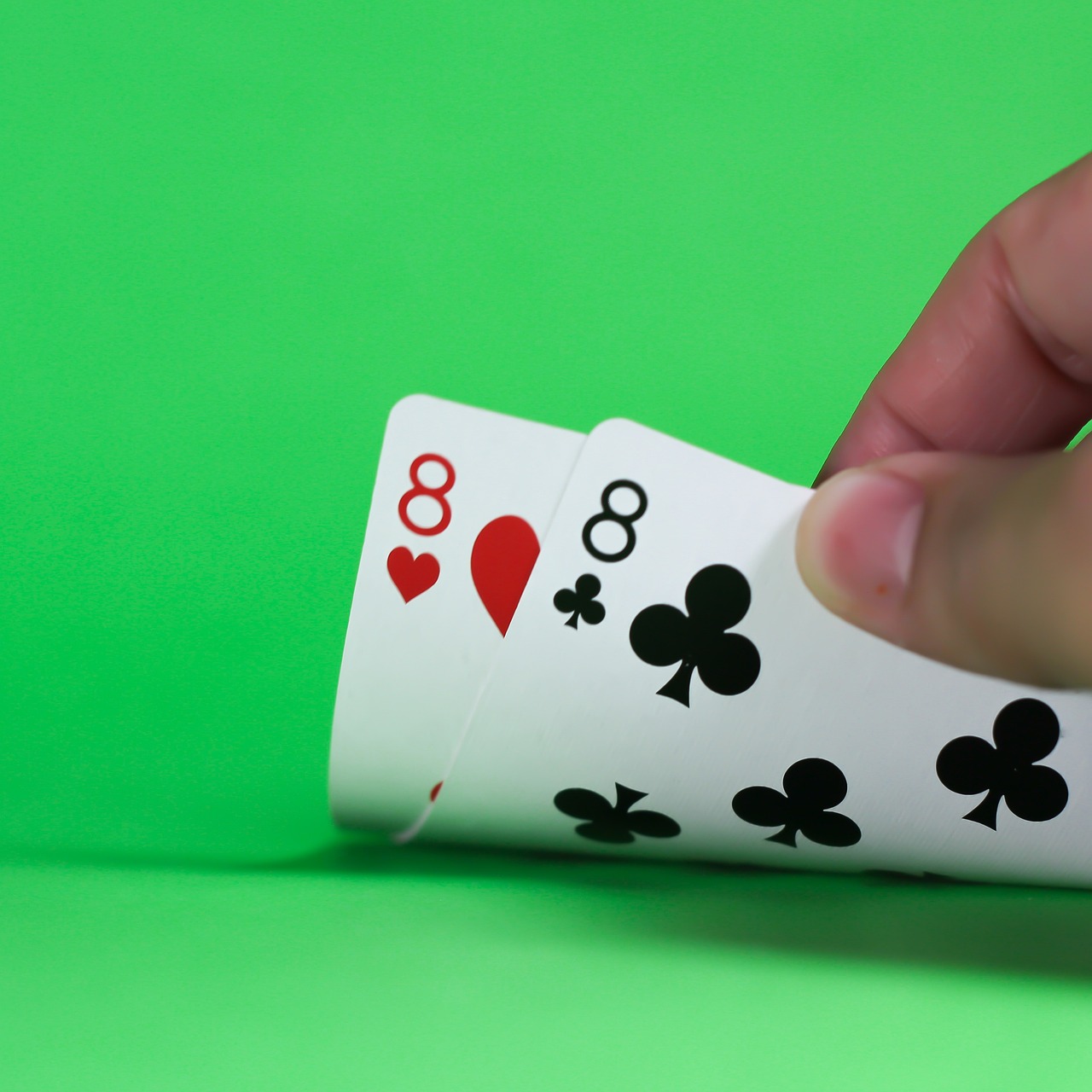
Poker Is the Only Game Where You Can Actually Win Long-Term
Here's an uncomfortable fact for slot fans: no amount of skill changes a slot's RTP. Poker is different. In Texas Hold'em, the house doesn't take a cut of the pot through a fixed edge; it takes a rake. And a good player can beat that rake.
The catch, of course, is that most players don't. The 80/20 rule is generous here; in online micro-stakes, closer to 90% of players are losing over a meaningful sample. But the ceiling is real. If you put in the work, you can be on the winning side.
What does that work look like?
- Pick one format and go deep. Cash games, Sit & Gos, or multi-table tournaments. Each has different math. Jumping between them is how you stay mediocre.
- Learn preflop ranges cold. You should know what to open from every position without thinking. This is the foundation; without it, postflop decisions are guesswork.
- Track every session. Use a HUD or at least a spreadsheet. Your memory lies about variance. Data doesn't.
- Study more than you play at first. A 60/40 study-to-play ratio for your first six months will pay off more than grinding 40 hours a week as a losing player.
If you're not willing to do that, poker becomes a fun hobby with an entertainment cost. That's fine. Just don't confuse it with investing.
Betting Markets: Where Knowledge Beats Luck
Sports betting sits in a weird middle ground. The bookmaker's margin on a standard two-way market is typically 4-6%, which is lower than most casino games. That means a bettor with genuine knowledge of a niche market can find an edge.
The markets where sharp bettors live are usually the ones casuals ignore: lower-tier football leagues, niche sports, player props, and live in-game markets. That's where bookmakers are slower to adjust odds and where public money doesn't distort the line.
A few things I've learned from watching profitable bettors work:
- They specialize. One guy I know only bets on Serie B corners. Another only on WNBA rebounds. Depth beats breadth.
- They line shop obsessively. The difference between 1.90 and 2.00 on a coin-flip bet is the difference between losing and winning over 1,000 bets.
- They ignore accumulators. Accas are the bookmaker's favorite product because the margin compounds with every leg.
- They bet flat or use fractional Kelly. Chasing losses with bigger stakes is how bankrolls die.
If you can't name three specific edges you have over the market, you don't have one.
Bonuses: Read the Terms or Don't Bother
Welcome bonuses are the most misunderstood part of iGaming. A "100% up to $500" offer sounds like free money. It rarely is.
The three numbers that decide whether a bonus is worth taking:
- Wagering requirement. 35x is standard. 50x+ is usually a trap unless the game contributions are generous.
- Game contribution. Slots often contribute 100% to wagering. Table games and live dealer often contribute 10% or less. Poker usually doesn't count at all.
- Max cashout. Some bonuses cap your winnings at 5x the bonus amount. Read this line twice.
My rule: if a bonus requires more than 40 minutes of arithmetic to evaluate, skip it. There are always other offers.
Bankroll Management Is the Real Skill
This is the part nobody wants to hear, so I'll keep it short. The players who survive in iGaming aren't the ones with the best poker faces or the sharpest sports takes. They're the ones who never bet money they need.
A practical framework that actually works:
- Separate your gambling bankroll from your real money. Completely.
- Set a session stop-loss and a win target before you start. Walk away when you hit either.
- Never chase. The moment you "make it back," you've already lost the plot.
- Use deposit limits and reality checks. Every regulated casino offers them. Use them even if you don't think you need them.
The math is boring, but it's the only thing standing between gambling as entertainment and gambling as a problem.
The Bottom Line
iGaming gives you access to slots, poker, sports betting, and live dealer games all in one place. That convenience is real, and so is the risk. The operators have teams of mathematicians and psychologists working to part you from your money. You have one brain and whatever discipline you can muster.
The players who enjoy this space long-term are the ones who treat it like any other entertainment budget: fixed, planned, and never a source of stress. If you can do that, there's plenty of fun to be had. If you can't, no game, bonus, or strategy will save you. That's not a moral judgment. It's just the math.


-

-
Writing Through the Fog: How to Keep Going When Inspiration Disappears
Sep 30, 2026Storytelling Tips

-


Words Meadow

Rhyme is only one instrument in the orchestra — free verse asks you to compose with rhythm, image, and breath.