


Killing Your Darlings: A Gentle Guide to Editing Your Own Work
Writing Craft | September 25, 2026
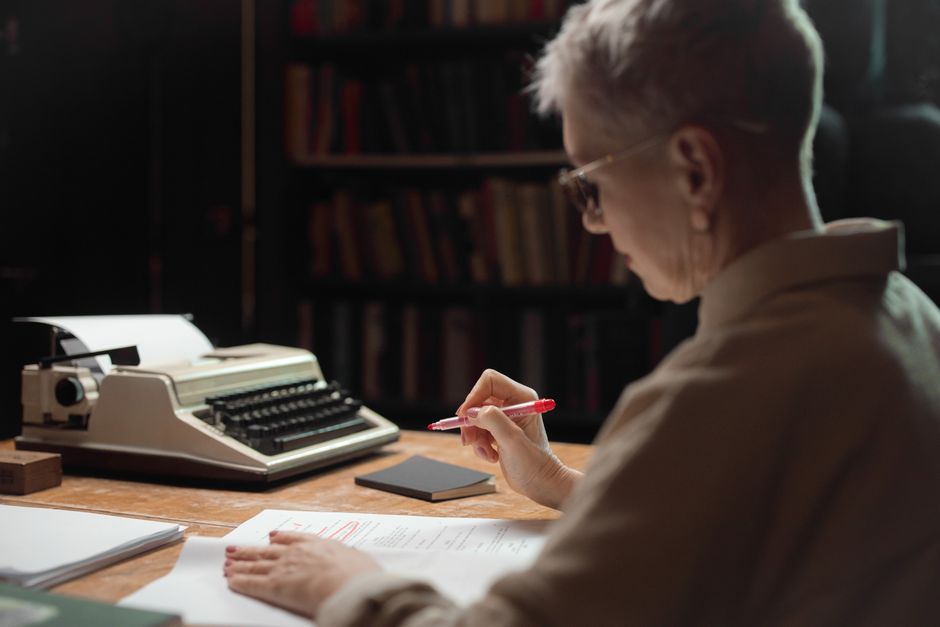
There is a moment every writer knows: you have finished a draft, and you feel a strange mix of pride and terror. The words are on the page, but are they good? The answer, almost always, is that they are not good yet — and that is exactly where they should be. A first draft is not a finished product. It is raw material, and editing is the craft of turning that material into something worth reading.
The phrase "kill your darlings" is often quoted, sometimes misattributed, and frequently misunderstood. It does not mean you should delete everything you love. It means you should be willing to delete anything — even the sentences you are most proud of — if they do not serve the story. The writing you love most is often the writing that is most self-indulgent. It is beautiful, but it is not doing its job.
The Three Passes of Editing
Good editing happens in layers, not all at once. Trying to fix everything in a single pass is like trying to paint a portrait while the canvas is still wet. Instead, work in distinct passes, each with a different focus.
The first pass is structural. Read your draft as a whole and ask big questions. Does the story have a clear arc? Does each scene earn its place? Is the pacing right, or does the middle sag? This pass is about moving furniture, not dusting it. Be willing to cut entire scenes, merge characters, or reorder events. Nothing is sacred at this stage.
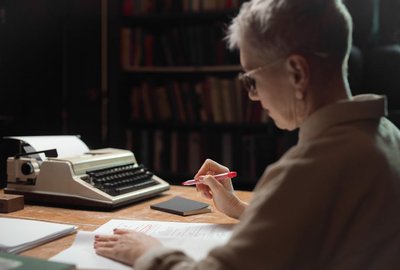
The second pass is line-level. Now you focus on sentences. Look for weak verbs, passive constructions, and repetitive phrasing. Read your work aloud and notice where your voice stumbles. Cut adverbs that prop up lazy verbs. Replace vague nouns with specific ones. This is where your prose becomes sharper and more alive.
The third pass is proofreading. Grammar, punctuation, spelling, consistency. This is the least glamorous pass, but it matters. A typo on page one tells the reader you did not care enough to look. Do not skip it.
How to Read Your Own Work Objectively
The hardest part of editing is distance. When you wrote the words, you knew what you meant. When you read them back, your brain fills in the gaps. To edit well, you need to break that spell.
One of the simplest tricks is time. Put the draft away for a week, or a month if you can. When you return, you will read it as a stranger would. Another trick is to change the format. Print it out. Read it on a different device. Change the font. Anything that makes the familiar feel unfamiliar will help you see what is actually on the page.
You can also read your work aloud. Your ear catches what your eye skips. If a sentence is hard to say, it is probably hard to read. If you run out of breath, your reader will too.
Finally, remember that editing is not a sign that your writing is bad. It is a sign that you are serious. Every writer you admire has killed their darlings. The only difference is that you never saw the bodies.
-

-
Writing Through the Fog: How to Keep Going When Inspiration Disappears
Sep 9, 2026Storytelling Tips

-


Words Meadow

Your unique voice is not something you invent from nothing — it is something you discover by writing through your influences.