






Writing Poetry Without Rhyme: Finding Music in Free Verse
Poetry | October 1, 2026
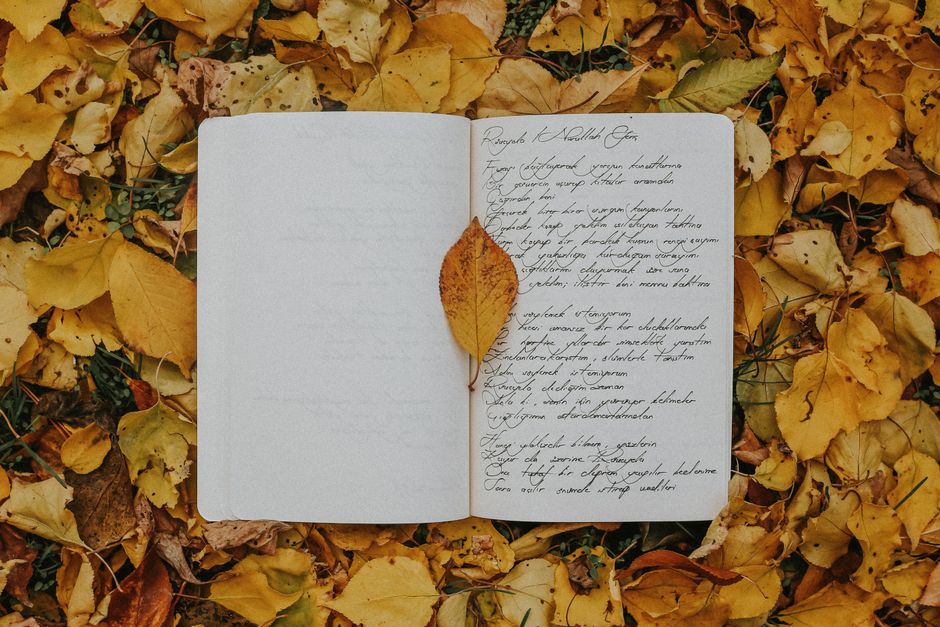
When many people imagine poetry, they imagine rhyme. Roses and noses, love and above, moon and soon. Rhyme is comforting, memorable, and deeply rooted in the history of English verse. But it is not the only way to make a poem sing. Some of the most powerful poems of the last century abandon rhyme entirely and still leave readers breathless. Free verse is not poetry with the poetry removed — it is poetry that finds its music elsewhere.
The first thing to understand is that free verse is not free of craft. It is free of a fixed metrical pattern or rhyme scheme, which means the poet must create structure through other means: line breaks, rhythm, repetition, imagery, and the deliberate use of white space. Without the scaffolding of rhyme, every choice becomes more visible. That is both the challenge and the gift.
The Music Beyond Rhyme
In free verse, rhythm comes from the natural cadence of language and from the way lines are broken. A line break is a pause, a breath, a small act of emphasis. Where you break a line changes how the reader hears it. Consider the difference between ending a line on a strong noun versus letting it spill into the next line. The first feels like a door closing; the second feels like a hand reaching forward.
Repetition is another tool. Anaphora — repeating the same words at the beginning of successive lines — creates a drumbeat that can build emotion without a single rhyme. Assonance and consonance, the echoing of vowel and consonant sounds, add texture. Even the length of your lines matters: short lines feel urgent and breathless, while long lines feel meditative and expansive.
Imagery does the heavy lifting in free verse. Without rhyme to carry the reader forward, the poem must rely on vivid, precise images that surprise and resonate. A good image is not decorative; it is argumentative. It says something that cannot be said any other way.
How to Practice Free Verse
Begin by writing a poem with no line breaks at all — just a paragraph of prose. Then go back and break it into lines. Read it aloud after each break. Where do you naturally pause? Where does your voice want to linger? Those are your line breaks.
Next, try writing a poem that uses one repeated phrase as a refrain, but no rhyme. Let the repetition do the work of holding the poem together. Then try writing a poem where the only music comes from sound echoes — repeated vowels, soft consonants, a whisper of sibilance.
Read widely. Study the free verse of Mary Oliver, Lucille Clifton, and Ocean Vuong. Notice how their poems breathe. Notice where they choose silence over sound. Free verse is not a rejection of music. It is a different kind of music — one that asks you to listen more closely to the rhythm already living inside your own voice.


-
Writing Through the Fog: How to Keep Going When Inspiration Disappears
Sep 17, 2026Storytelling Tips

-


Words Meadow

You don't need a hundred pages of history to make a world feel real — you need the right details in the right places.