






The Art of the Scene Break: Using White Space to Control Pacing
Storytelling Tips | September 10, 2026
When we talk about pacing in storytelling, we often focus on sentence length, dialogue, and action. But there is another tool that is just as powerful and far less discussed: white space. The blank space on a page is not empty. It is a pause. It is a breath. It is a way of telling the reader, without words, that something has changed.
Think of a scene break as a cinematic cut. In a film, you might see a character in a kitchen, and then the screen goes black, and then you see the same character in a car. The cut tells you that time has passed, that the location has changed, or that the emotional tenor of the story has shifted. A scene break does the same thing on the page.
When to Use a Scene Break
There are no hard and fast rules, but here are a few situations where a scene break is your friend.
When time passes. If your character finishes a conversation and then drives to work, you do not need to describe the drive unless something important happens. A scene break lets you skip the boring parts.
When the point of view shifts. If you are writing a story with multiple perspectives, a scene break signals to the reader that they are about to see the world through different eyes.
When you want to create tension. Ending a scene on a cliffhanger and then cutting to a different character or a different moment can heighten suspense. The reader wants to know what happens next, but you are making them wait.
When the emotion is too heavy. Sometimes a scene reaches an emotional peak that is difficult to sustain. A scene break gives the reader a moment to process what they have just read before moving on.
How to Format a Scene Break
The most common way to indicate a scene break is with a blank line and a centered symbol. The symbol can be anything: a hash mark (#), three asterisks (***), or a decorative glyph. Some writers simply use an extra blank line. Whatever you choose, be consistent. Your reader should never be confused about whether a break has occurred.
It is also worth noting that a scene break is not the same as a chapter break. Chapters are larger units of organization. They often have titles or numbers. Scene breaks are smaller, more granular. A chapter might contain three or four scene breaks. This gives you a lot of flexibility. You can create a sense of rapid movement by using short scenes with frequent breaks, or you can create a sense of immersion by using longer scenes with fewer breaks.
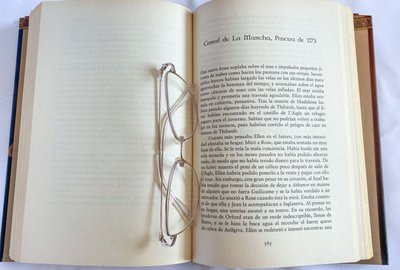
One of the best ways to learn how to use scene breaks is to read widely and pay attention. When you are reading a novel and you feel a shift in time or perspective, look at how the author handled it. Did they use a symbol? Did they start a new chapter? Did they simply indent? Every writer has their own style, and you will develop yours over time.
So, do not be afraid of the white space. It is not wasted space. It is a tool. Use it to control your pacing, to heighten your tension, and to give your readers a moment to breathe. Your story will be better for it.


-

-

-
From Cliché to Craft: How to Write About Love Without Sounding Like a Greeting Card
Aug 27, 2026Writing Life

Words Meadow

Tired of hearts and roses? Here is how to write about love in a way that feels fresh, specific, and true.